Yurts, cabins and winter sites — find the ones that are actually open.
Most campgrounds close for the winter, and the booking sites don’t tell you which ones didn’t. Campaid checks the yurts, cabins and oTENTiks that stay open, tells a closed park apart from a full one, and lines up the forecast and the drive. The rest of the year it does the same for tent and RV sites — road and rail noise, privacy, pet rules, radio-free loops, hookups — and maps the cycling, paddling and hiking routes around them.
with yurts open
Most parks close for winter. Campaid knows which ones didn’t.
A heated yurt at New Year’s, a cabin for Family Day, an oTENTik on a shoulder-season weekend — the roofed sites are where winter camping happens, and they’re spread across half a dozen booking systems. Ask once; Campaid checks them all.
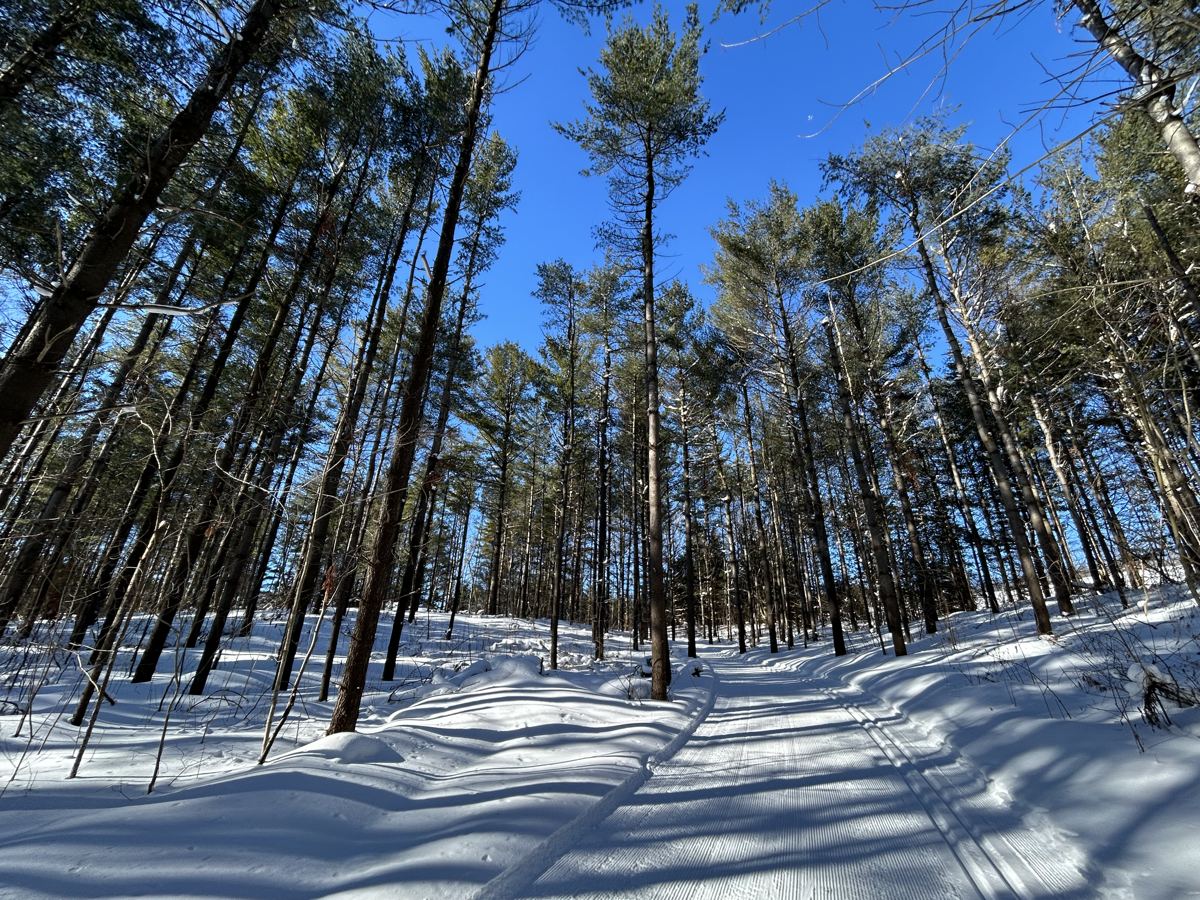
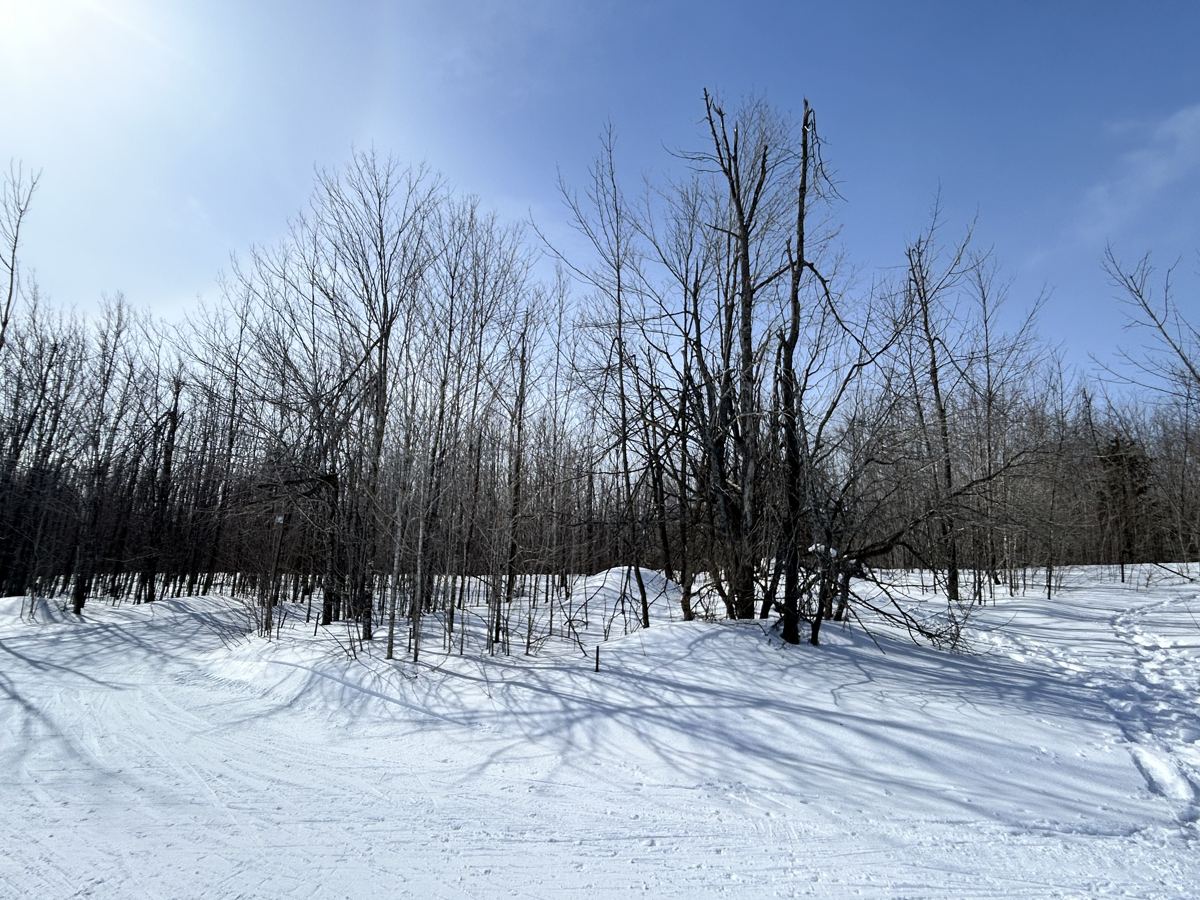
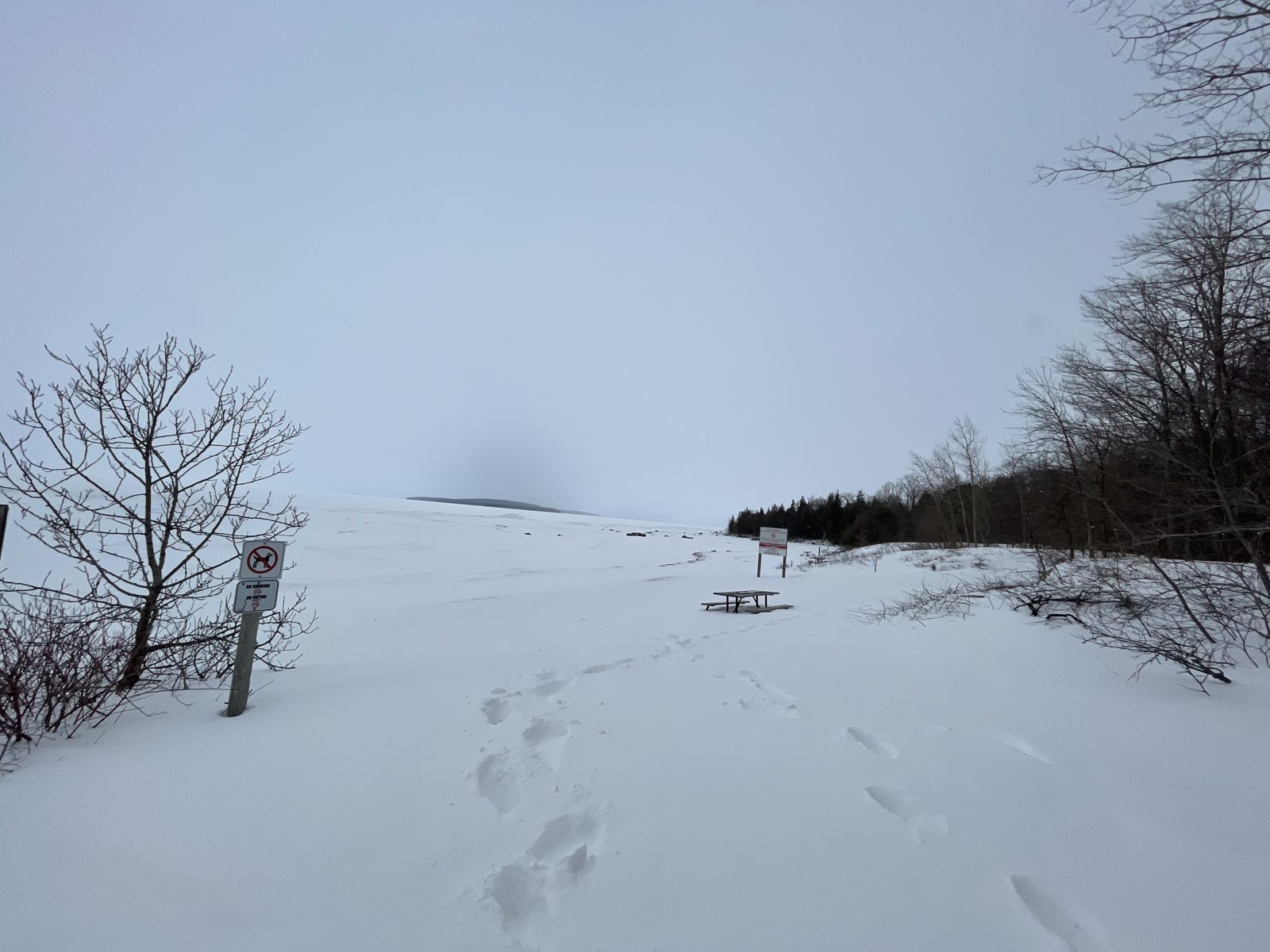
Yurts, cabins and oTENTiks
Ask for a roof and Campaid checks the roofed inventory alongside tent sites on your exact dates — yurts and cabins at Ontario Parks, oTENTiks across Parks Canada, ready-to-camp units at Sépaq, and cabins in BC.
Closed is not the same as full
In winter a blank booking calendar usually means the campground has shut for the season, not that someone beat you to it. Campaid tells the two apart, so you stop chasing parks that aren’t open and find the loop that is.
Winter forecast, park by park
Overnight lows and precipitation for your dates at every candidate park, plus the real drive time from your door — so you pick the cold weekend you’ll enjoy, not just the one with a vacancy.
Honest about coverage: roofed availability works wherever Campaid checks availability. Searching for parks that offer winter camping covers about 50 parks today, mostly in Ontario and BC, and we’re adding more — including Parks Canada’s year-round oTENTiks. The noise, privacy, pet and hookup ratings are for tent and RV sites; yurts and cabins don’t have them yet. Pet rules for roofed units differ from the campground’s, so check the unit before you book.
Plan the ride, then the roof over it.
Surface and climbing for signed cycling routes and trail difficulty before you lace up — then a campsite, yurt or cabin at the end of each day, checked for your dates.
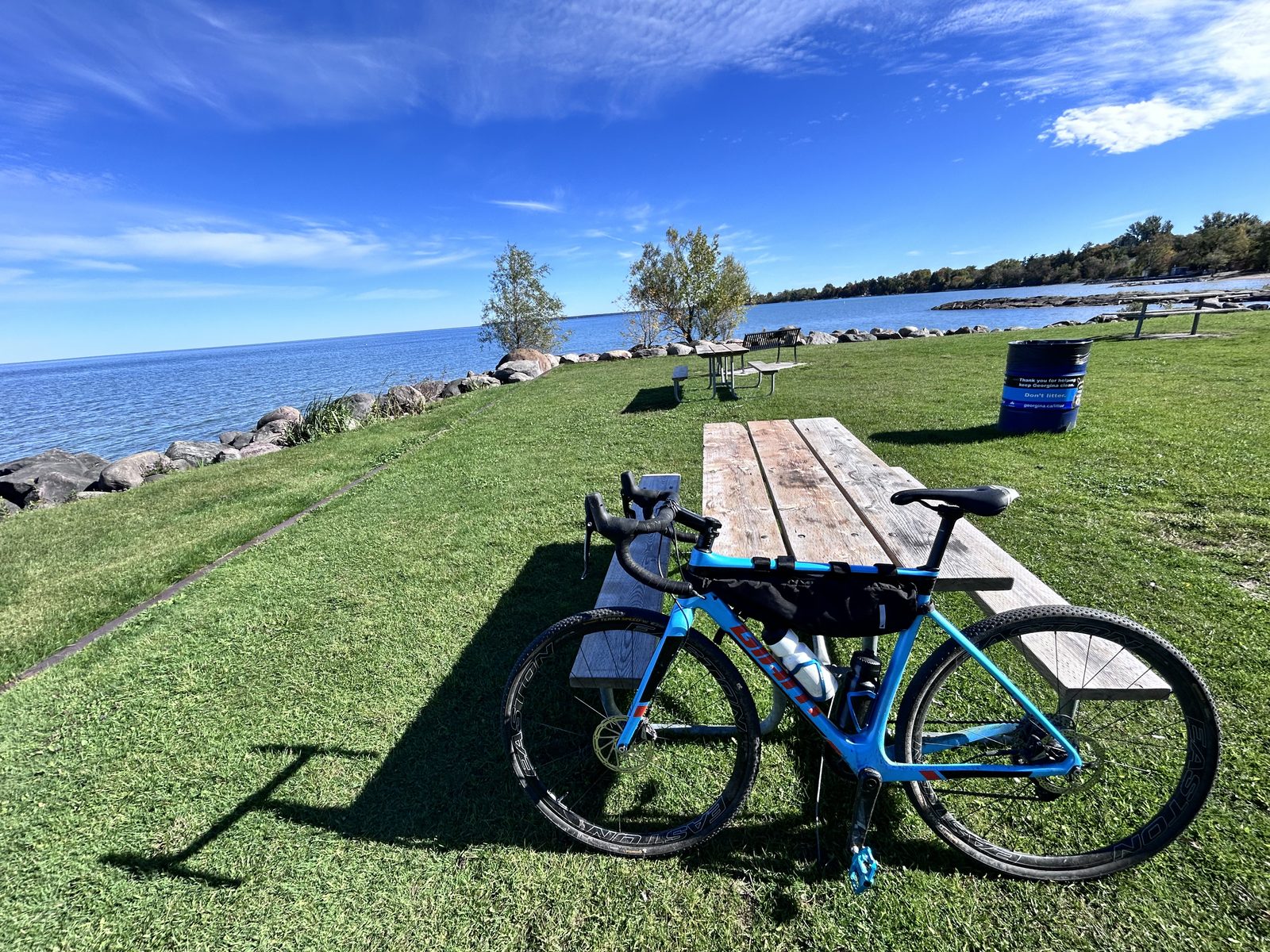
Cycling routes, surface and all
See how much of a signed route is paved versus gravel, and how much climbing you’re in for, before you commit — not three hours in on the wrong tires.
Ride by day, a roof by night
Plan a multi-night trip with a different park each night and ask for a yurt or cabin at every stop — Campaid checks each night’s availability in one go, so a late-fall or early-spring tour doesn’t hinge on a tent.
Trail difficulty, not just distance
The toughest grade on the trail, how hard it is to follow, and the total climb — so you don’t end up on a scramble when you packed for a stroll.
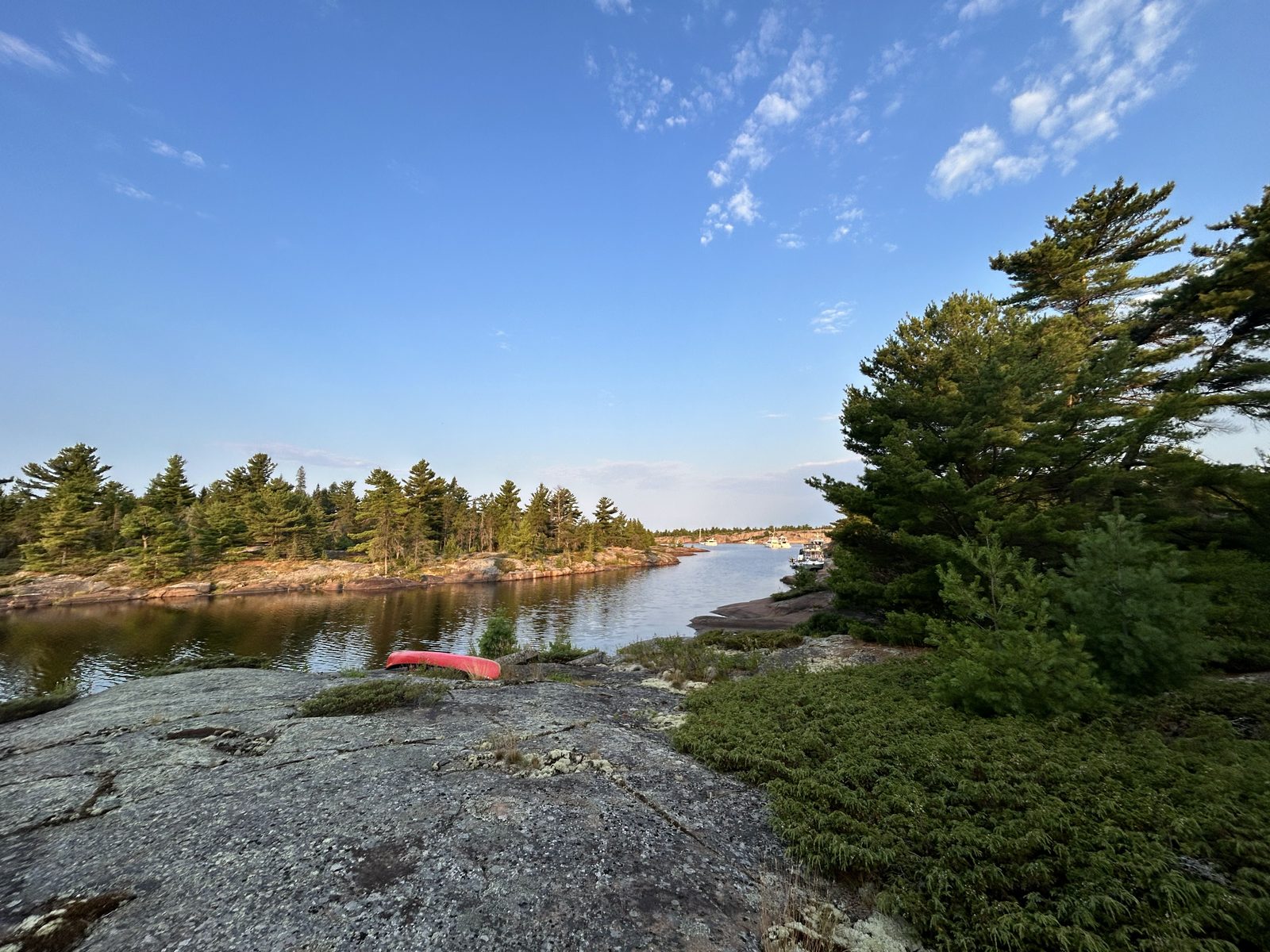
Pick the lake, count the portages, then book the site.
Interior trips run on different rules: sites sold as zones or lake quotas instead of numbered pads, lakes where motorboats are allowed next to lakes where they aren’t, and carries that never show up on the booking map. Campaid plans around all of it.
Where you can paddle in
Ask where to canoe-camp and Campaid lists the Ontario parks with water-access sites — and whether each one sells numbered campsites or a night on a named lake, which changes how you book.
Motor-free lakes, lake by lake
Want silence, or need the outboard? Ask whether a specific lake allows motorboats and Campaid answers from the park’s own rules for that water — not a park-wide guess.
Every portage counted
Canoe and kayak routes broken into paddling and portaging, with the length of every carry and running totals — so a trip that looks short on the map doesn’t turn into an afternoon of hauling gear.
Interior sites, open on your dates
Backcountry availability checked alongside the frontcountry, plus where the individual interior sites actually sit, with their official site numbers — the part the reservation map only shows as a zone.
Coverage: paddle-in destinations and lake-by-lake motor rules cover Ontario provincial parks today; national parks and Crown land follow different rules and aren’t in that catalogue yet. Backcountry availability works across the same reservation systems as campsites. Routes and portages come from community mapping, so carry lengths are close estimates, not surveyed distances — and you still book on the park’s own site.
Don’t drive four hours to a site your rig won’t fit.
Tent, trailer or 35-foot motorhome — Campaid filters for the sites that take your equipment and the hookups you need, then checks the same noise and privacy signals it uses for everyone else, because a gravel pull-through beside the highway is still a gravel pull-through beside the highway.
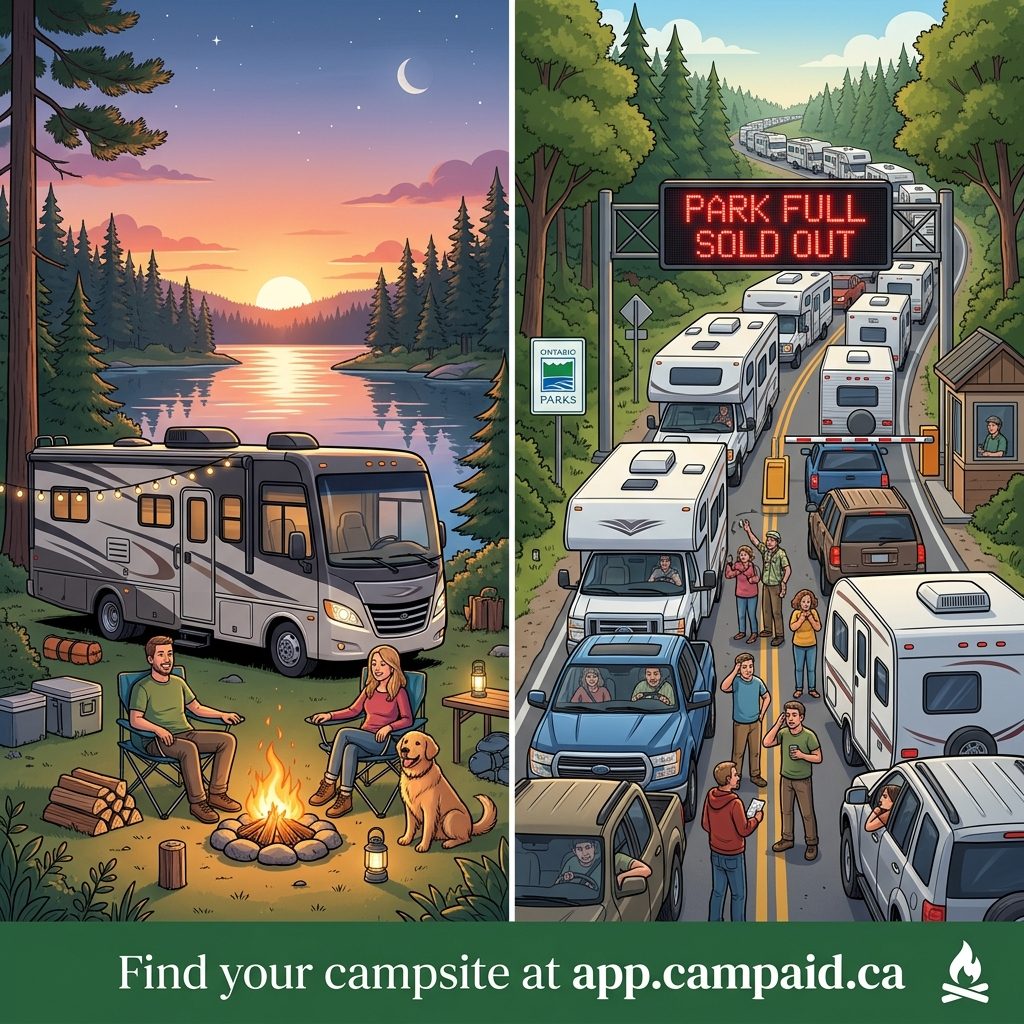
Sites your rig actually fits
Tell Campaid you’re towing a trailer or driving an RV and how long it is — availability is filtered to the sites that take your equipment, before you fall for one that doesn’t.
Electrical, quiet and private
Rank campgrounds by share of serviced sites, road and rail noise, privacy rating and pet rules — or ask which loop in a park is the quiet one.
Two sites side by side
Camping with another family, or a group bigger than one site allows? Campaid finds pairs of adjacent open sites so you’re not three loops apart.
Dump stations, water and fuel
Sanitary dumps, potable water and fuel — with diesel flagged where it’s mapped — around your campground and along the drive.
A park a night, checked in one go
Road trip across the province or across the country? Line up a different campground for each night and Campaid checks every stop’s availability together.
Parks full? Private campgrounds
When the provincial park is booked solid, Campaid points you to private, municipal and RV-resort campgrounds nearby, with phone and website (Ontario).
An available site and a good site are not the same thing.
Two sites in the same campground can be completely different weekends. One is tucked in the trees. The other is a gravel pad beside the highway with a rail line behind it. The booking map won’t tell you which is which — Campaid will, before you pay.
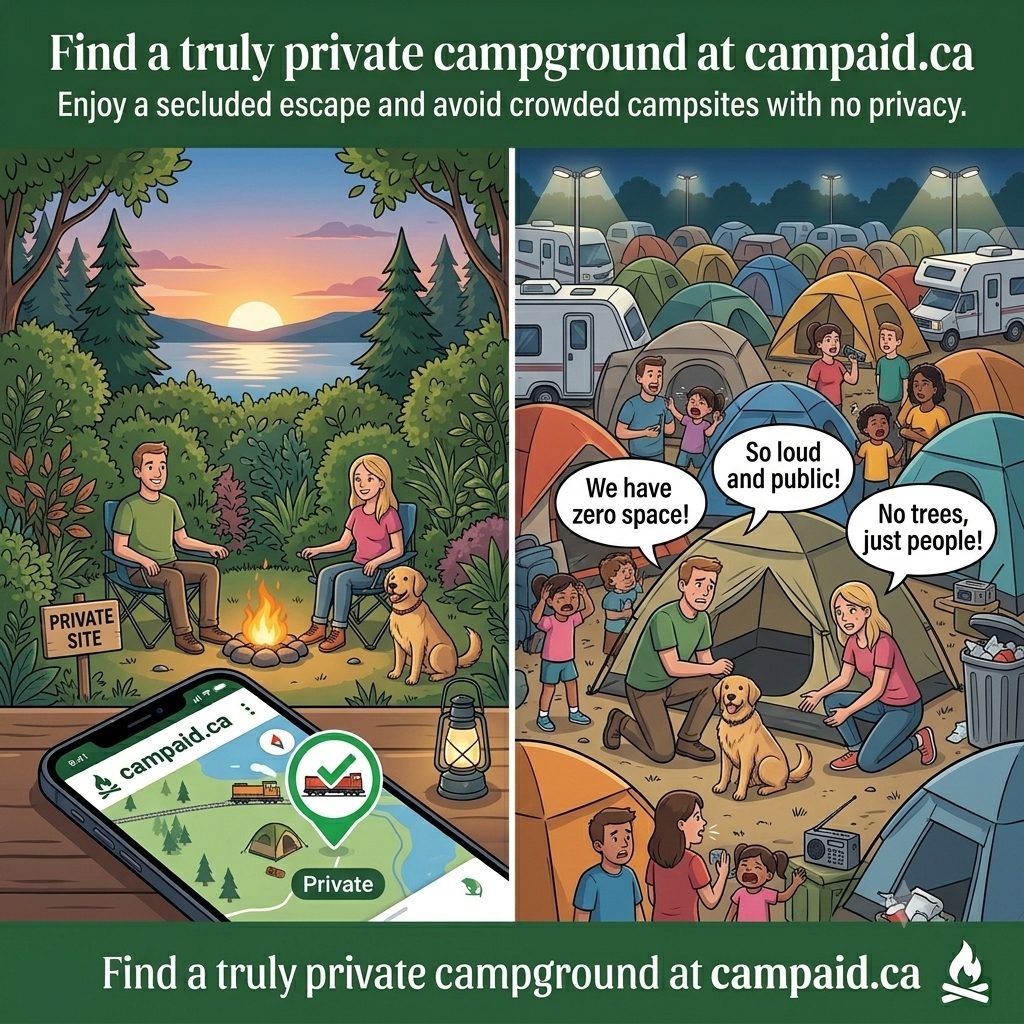
Privacy, not just a plot number
Every site in the reservation system carries the park’s own privacy rating — buried where nobody reads it. Campaid pulls those ratings for every site, rolls them up per campground, and tells you which loop is the secluded one and which is the open field. Filter your search down to the well-rated sites, or just ask which campground in a park is most private.
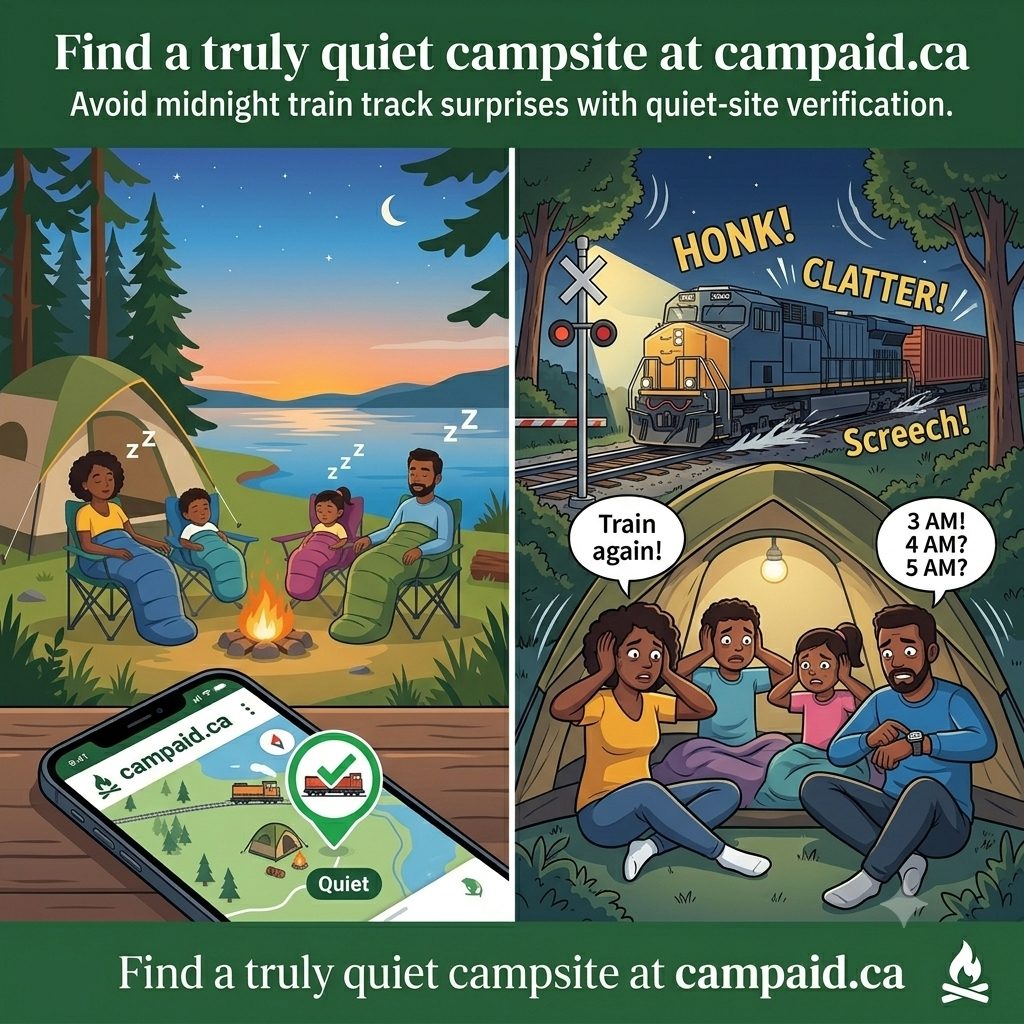
The noise you’d only discover at 3am
Campaid measures how close each campground sits to highways and rail lines and estimates what you’ll actually hear — the steady hum of traffic, and separately, how many trains pass per day and whether the nearest crossing has a bell that rings for every one of them. Ask for “somewhere quiet” and it ranks on both.
Bringing the dog — or avoiding everyone else’s
Tell Campaid you’re travelling with a pet and it drops pet-banned campgrounds out of your results automatically. Camping with allergies, or just want a weekend without a barking neighbour? Flip it around and filter for pet-free loops instead.
Radio-free and quiet loops
Some campgrounds set aside loops where radios aren’t allowed. Campaid knows which ones, and can narrow your search to sites inside them.
Hookups, site type, and RV reality
Electrical and serviced-site filters for trailers and RVs, plus the nearest dump stations, drinking water, and fuel along the way — so you don’t arrive to a site your rig can’t use.
Honest about coverage: site-quality data — noise, privacy, pet-free, radio-free, and hookups — covers Ontario Parks and Parks Canada campgrounds today, with more provinces rolling out. Availability covers Parks Canada, Sépaq, Gatineau Park, and the provincial parks of Ontario, BC, Nova Scotia, New Brunswick, Manitoba, Newfoundland and Labrador, and Yukon — not yet Alberta, Saskatchewan or PEI. Weather and drive times work Canada-wide. Noise is a distance-based estimate and privacy is the park’s own subjective rating — both are campground-level guides, not per-site guarantees, and Campaid always says so rather than pretending otherwise.
Three things that make or break a trip — handled.
Open sites, found fast
Campaid scans reservation systems across national and provincial parks and shows you what’s actually available on your dates — including the lesser-known parks you’d never find on your own. Parks full? It’ll point you to private and municipal campgrounds nearby (Ontario), phone and website included.
Weather you can plan around
Live forecasts for every candidate park, on your exact dates, so you can dodge the washout weekend before you book — and see which of your options has the best forecast rather than guessing from a regional summary.
The drive, mapped
Real driving times from your doorstep, with stops ordered to cut the windshield hours on multi-night trips.
A bookable site can still be a closed park.
Reservation systems keep taking bookings through fire bans, flooding and beach closures. Campaid checks the park’s own alerts page alongside availability, so you find out before you pay — not at the gate.
- 🔥Fire bans
Whether you can actually have the campfire you came for. - ⛔Closures & notices
Roads, trails, and whole campgrounds shut for flooding, storm damage, or the season. - 💧Water advisories & beach postings
Boil-water orders, and beaches posted unsafe for swimming. - 🌫Wildfire & smoke
Active fires near your destination and the air-quality forecast for your dates.
Coverage: wildfire and air quality work Canada-wide. Park alerts — fire bans, closures, water advisories and beach postings — come from Ontario Parks’ own alerts pages and are Ontario only today. For other provinces Campaid will tell you it can’t check, rather than implying the park is open.
The stressful parts of camping? Those are ours.
Less refreshing the reservation page at 7am. Less weather roulette. More time at the campfire.
Sold out isn’t the end
The best parks book out months ahead. Campaid will keep watching for cancellations, surface last-minute openings, and line up nearby alternatives the moment your first pick fills.
Four seasons, one afternoon
Canadian weather doesn’t read the calendar. Campaid checks the forecast park by park — the January cold snap, the October frost, the surprise July hailstorm — before you commit.
Whole trips, not single nights
Plan a multi-day, multi-park route with availability, weather, and drive times lined up for every stop. No spreadsheet, no twelve open tabs.
From “maybe” to booked in three steps.
Say what you need
Your starting point, your dates, how you’re travelling — and what matters: a tent site or a roof, quiet, private, room for the dog, or a hookup for the trailer.
Compare matched sites
Open sites side by side, with noise, privacy, pet rules, weather, and drive time all in one answer.
Book and go
Head to the park’s own booking system with your pick in hand. No guesswork.
Compare every option in one answer.
Candidate sites, drive times, and the forecast for your dates laid out side by side — so you can weigh a closer site against a quieter one at a glance.
- ✓Side-by-side site comparison
- ✓Noise and privacy shown next to availability
- ✓Yurts, cabins and oTENTiks alongside tent sites
- ✓Pet-friendly, pet-free, and radio-free filters
- ✓Need two sites together? Adjacent-pair finder
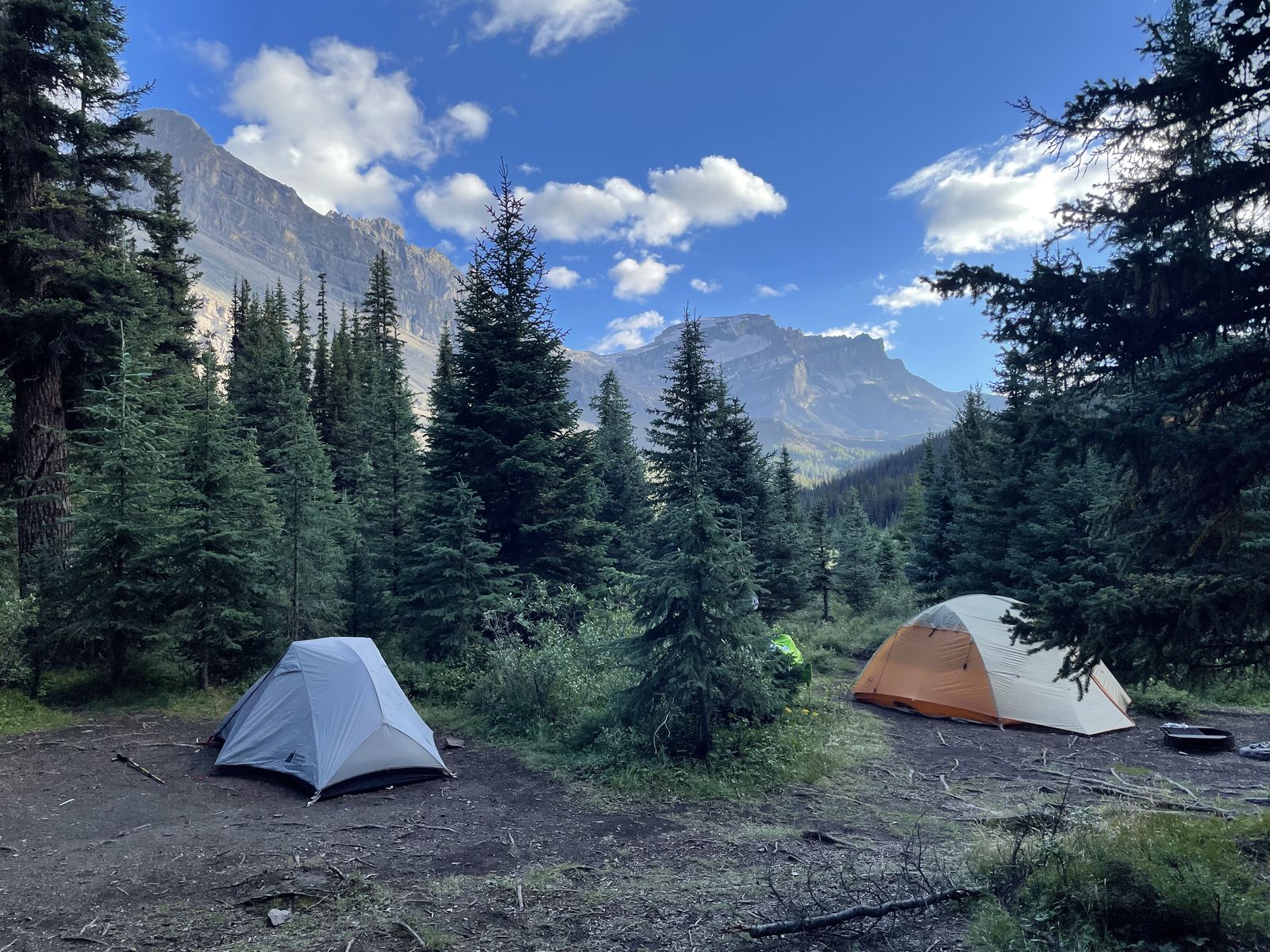
Nobody finds out about the highway until it’s dark.
These are real posts from r/CampingOntario — campers describing the surprise, after the fact, from a site they’d already paid for. It’s the same surprise every time.
“Our site was nice, spacious and quiet. I got talking to a lady at her site next to the lake. She loved it — until nighttime. That’s when she first noticed the highway on the other side of the lake. The truck traffic never stopped. You couldn’t see it from her site, and during the day it was drowned out by other campground noise.”
“It’s at the bottom of a hill, so you get to hear the loud brakes on the big rigs at all hours.”
“From my camp chair around the fire I could have easily tossed a rock and hit the passing transport trucks. These are the sites beside the highway though — the ones down by the lake were probably not as bad.”
Quoted from public posts on r/CampingOntario, trimmed for length, no usernames. Campaid estimates road and rail noise from how close a campground sits to highways and rail lines — it catches the trucks 50 metres from the fire ring, but it can’t hear a hill that makes them brake. It’s a head start, not a promise of silence.
Stop gambling on campsites.
Free account, free while we’re in beta. Tell it what you need — a yurt for New Year’s, a quiet loop in May, room for the dog — and let it do the digging.